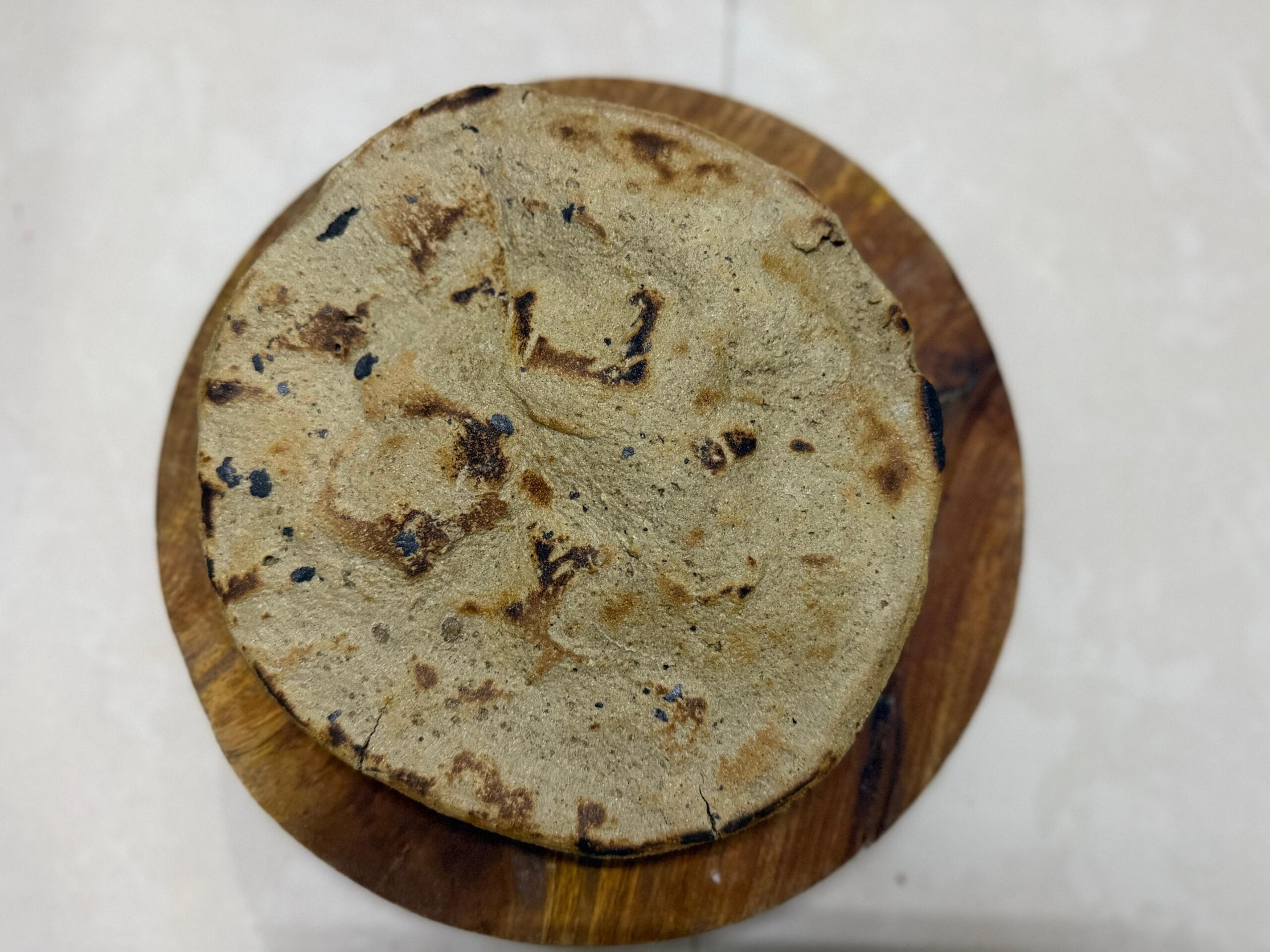
Traditional millet flatbread may look humble, but it sits at the intersection of two urgent nutrition questions: how to eat in a way that supports better blood sugar control, and how to choose staples that place less stress on fragile food systems. As interest grows in practical, everyday foods rather than expensive “superfoods,” millet is re-emerging as a strong candidate for healthier and more resilient diets.
That renewed attention is not just nostalgic. In 2026, millets are being promoted by FAO as climate-resilient “forgotten crops” that can strengthen food security and support healthy diets. This matters because a traditional staple such as millet flatbread can do more than fill the plate: it may help moderate post-meal glucose, diversify grain intake, and encourage farming systems better adapted to drought, land pressure, and climate shocks.
Why millet flatbread is gaining attention again
Across many regions, flatbreads made from millet have long been part of local food cultures. For years, however, refined wheat and polished rice often displaced these traditional staples in urban diets and institutional food systems. The result was a gradual narrowing of grain diversity, even though older food traditions frequently carried nutritional and agricultural advantages.
That pattern is now being reconsidered. FAO’s recent millet initiative presents millet not as a niche grain, but as a practical sustainable diet choice. The agency links millet consumption with diet diversification, more sustainable crop production, resilient value chains, and improved consumer access to affordable and varied foods.
Traditional millet flatbread fits perfectly into this discussion because it is familiar, adaptable, and meal-friendly. It can accompany vegetables, pulses, yogurt, eggs, or stews, making it easier to integrate into daily routines than specialty health foods. Its value lies not only in its heritage, but also in how well it aligns with current evidence on metabolic health and sustainability.
How millet flatbread may support blood sugar control
One of the strongest reasons for renewed interest in millet flatbread is its potential role in glycemic management. Recent peer-reviewed reviews continue to describe millet-based foods as useful in diabetes management, often noting their low glycemic index, higher fiber content, and possible therapeutic value for metabolic health.
Meta-analytic evidence is especially notable. A systematic review reported that long-term millet consumption lowered fasting blood glucose by 12% and post-prandial blood glucose by 15% in people with diabetes. While results can vary by millet type, recipe, and overall diet, these findings support the idea that millet-based staples may be meaningfully better for blood sugar than many refined grain alternatives.
Traditional millet flatbread is relevant here because flatbread is consumed as a staple, not as an occasional functional ingredient. When a lower-glycemic grain replaces a refined staple at regular meals, the cumulative effect may be more important than any single “healthy” snack. This is one reason millet flatbread deserves attention from both clinicians and public health planners.
What the science says about post-meal glucose
Post-meal blood sugar spikes are an important concern for people with diabetes, prediabetes, and insulin resistance. Millet appears promising in this area. A randomized crossover trial found that fresh-cooked non-glutinous millet produced a 39.1% lower glucose incremental area under the curve after the second meal compared with fresh-cooked rice, suggesting a meaningful metabolic benefit beyond the first immediate eating occasion.
Product reformulation studies also point in the same direction. In a 2024 trial, bread enriched with a pearl millet starch-germ complex achieved an in vivo glycemic index of 52.31 and lowered blood glucose compared with white bread in healthy and pre-diabetic participants. This shows that millet can be used in staple-style baked foods while still delivering a lower glycemic response.
Older human data on traditional meals adds cultural depth to this evidence. In a study of Sudanese carbohydrate-rich meals, millet flatbread was reported among the lower-glycemia traditional staples based on 2-hour glucose values. Although modern trials are needed for specific flatbread formats, the broader pattern supports what many traditional food systems had already discovered through practice.
Why millet works: fiber, resistant starch, and slower glucose release
Recent reviews emphasize that millet’s composition helps explain its blood sugar effects. Millet-based foods are often richer in fiber than refined grain staples, and they may also contain resistant starch and structural features that slow digestion. Together, these characteristics can reduce the speed at which glucose enters the bloodstream after a meal.
This slower glucose release matters because blood sugar control is shaped not only by total carbohydrate intake, but by carbohydrate quality and food structure. A whole or minimally processed millet flatbread can behave differently from a refined flour product, even when both are eaten in similar portions. The grain matrix, fiber content, and starch behavior all influence the ’s glycemic response.
These mechanisms also fit with broader whole-grain research. A 2024 meta-analysis of whole grains found improvements across multiple glycemic biomarkers, reinforcing the principle that whole-grain staples tend to outperform refined grains for metabolic health. In that context, whole millet flatbread is part of a larger evidence-based strategy rather than a standalone exception.
Beyond glucose: potential benefits for nutrient status
Blood sugar control is not the only reason to consider millet flatbread. A 2024 systematic review and meta-analysis found that millet consumption improved hemoglobin versus refined staples, with the intervention group showing a statistically significant increase of 13.6% compared with 4.8% in controls. That finding suggests millet-based diets may contribute to better nutrient status alongside glycemic benefits.
This is important because staple foods influence nutritional adequacy every day. If a commonly eaten bread or flatbread can support a better metabolic profile while also contributing to improved hemoglobin outcomes, it becomes more relevant for communities facing overlapping burdens such as diabetes risk, micronutrient inadequacy, and limited dietary variety.
A traditional millet flatbread can also serve as a base for nutrient-dense meals. Pairing it with legumes, leafy vegetables, fermented dairy, or seed-based spreads can further strengthen iron, protein, and fiber intake. In this way, millet flatbread is not only a grain choice but a platform for building balanced meals.
Why millet flatbread belongs in sustainable diets
FAO explicitly connects millet promotion with sustainable diets, biodiversity, and crop diversification. This framing matters because food sustainability is not only about reducing waste or buying local; it is also about which crops societies choose to normalize. A grain that supports diet diversity while performing well under harsh growing conditions offers advantages from farm to fork.
Millets are widely recognized for their drought resistance and relatively limited water needs. FAO has highlighted their ability to help farmers cope with climate shocks while supporting healthy diets. In practical terms, this means a traditional millet flatbread can represent a staple rooted in ecological resilience as well as nutritional value.
Millets also align with the need to diversify overly narrow cereal systems. Heavy dependence on a small number of staple grains can increase vulnerability to climate stress, market volatility, and ecological decline. By bringing millet flatbread back into regular consumption, households and institutions can support more varied and potentially more resilient food systems.
Climate resilience, land pressure, and food security
The sustainability case for millet becomes even stronger when viewed through the lens of land degradation and climate change. FAO reported in 2025 that land degradation already reduces crop yields for 1.7 billion people. That reality increases the urgency of investing in crops able to perform under tougher environmental conditions.
A 2025 review likewise described millets as important for food and nutrition security under changing climate conditions, noting active breeding and genomic work to improve resilience further. This suggests that millet is not merely a relic from the past. It is also part of a forward-looking agricultural strategy designed to withstand future stress.
For consumers, this can feel abstract until it is translated into everyday food choices. Choosing millet flatbread more often is one small but concrete way to connect personal diet with broader food-system resilience. A familiar staple made from a climate-resilient grain can help bridge the gap between sustainable agriculture and practical eating habits.
Practical reasons millet flatbread can fit modern eating patterns
One reason traditional millet flatbread has real potential today is that it can be adapted without losing its identity. It may be prepared as a whole-grain home flatbread, blended with pulse flours for extra protein, or incorporated into school meals and workplace canteens. These formats make millet easier to scale than more specialized health products.
Its gluten-free status is another practical advantage. FAO notes that millet contains no gluten, making millet flatbread a useful staple alternative for people seeking gluten-free options. While gluten-free does not automatically mean healthier, a whole or minimally processed millet flatbread can offer a better nutritional profile than many ultra-processed gluten-free products made largely from refined starches.
There is also strong policy momentum behind millet in 2026. FAO’s recent Council reporting continues to emphasize millet’s nutritional and climate-resilient benefits and its role in sustainable food systems and diversified diets. That institutional support may help expand awareness, supply chains, product development, and public acceptance in the years a.
Traditional millet flatbread deserves attention because it answers two modern needs at once. It is supported by growing evidence on blood sugar control, with research linking millet consumption to lower fasting and post-meal glucose, lower glycemic responses in staple foods, and plausible mechanisms such as higher fiber and resistant starch. At the same time, it reflects a broader shift toward whole grains and less refined carbohydrate choices.
Just as importantly, millet flatbread belongs to the conversation on sustainable diets. Millets are increasingly recognized as climate-resilient crops that support biodiversity, crop diversification, and food security under environmental stress. When a traditional staple can contribute to healthier glycemic patterns and a more resilient agricultural future, it is no longer just an old food rediscovered. It becomes a smart, modern choice.