Farm Fresh Bhindi Sabji in Ahmedabad | Fresh Okra(Bhindi) from Our Farm | Kana No Rotlo
Looking for fresh Bhindi Sabji in Ahmedabad made with farm-fresh vegetables?
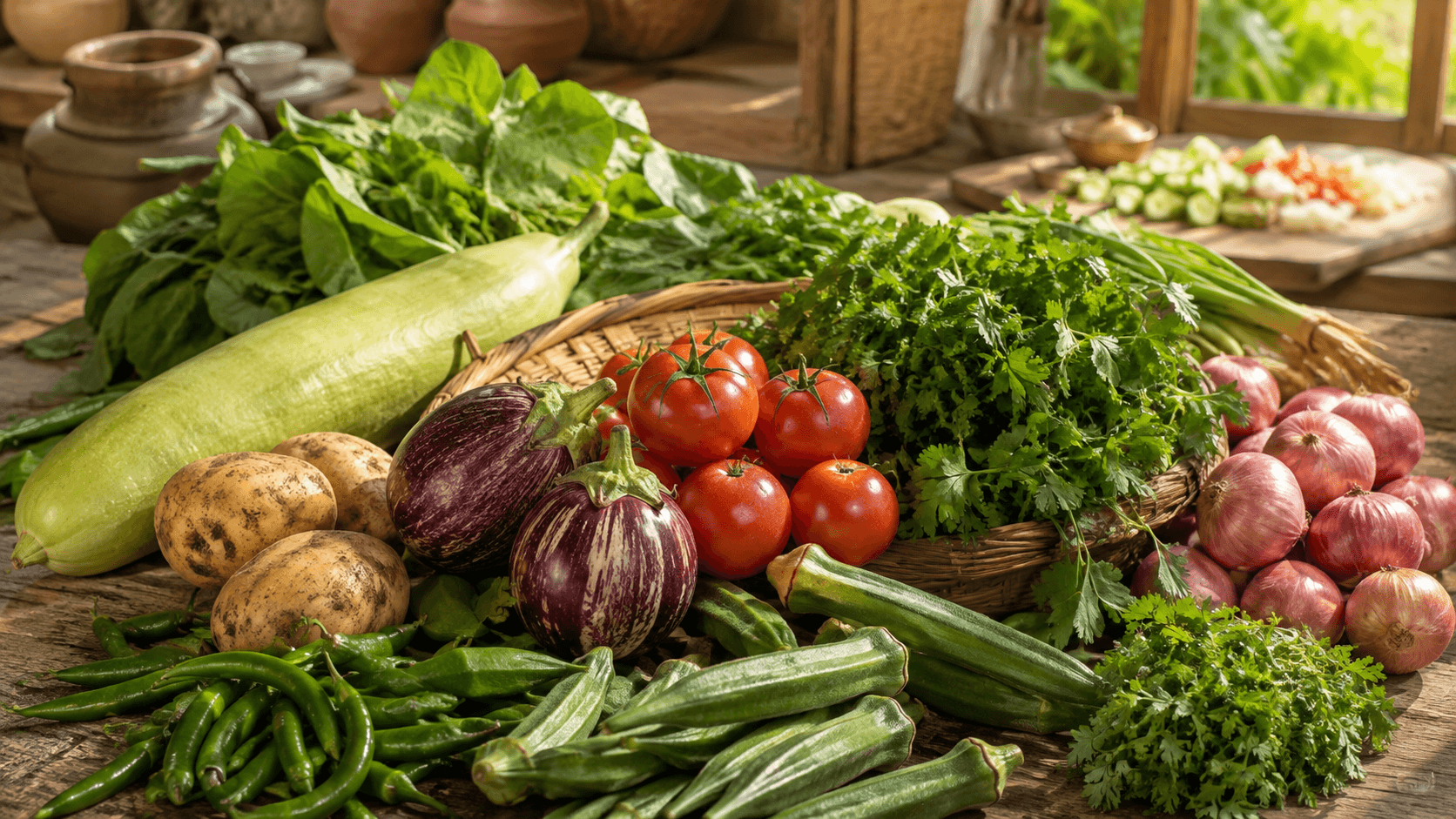
At Kana No Rotlo, our Bhindi comes fresh from our farm to our cloud kitchen. We prepare it fresh and cook it in a simple homemade style, bringing the natural taste of fresh Bhindi to your meal.
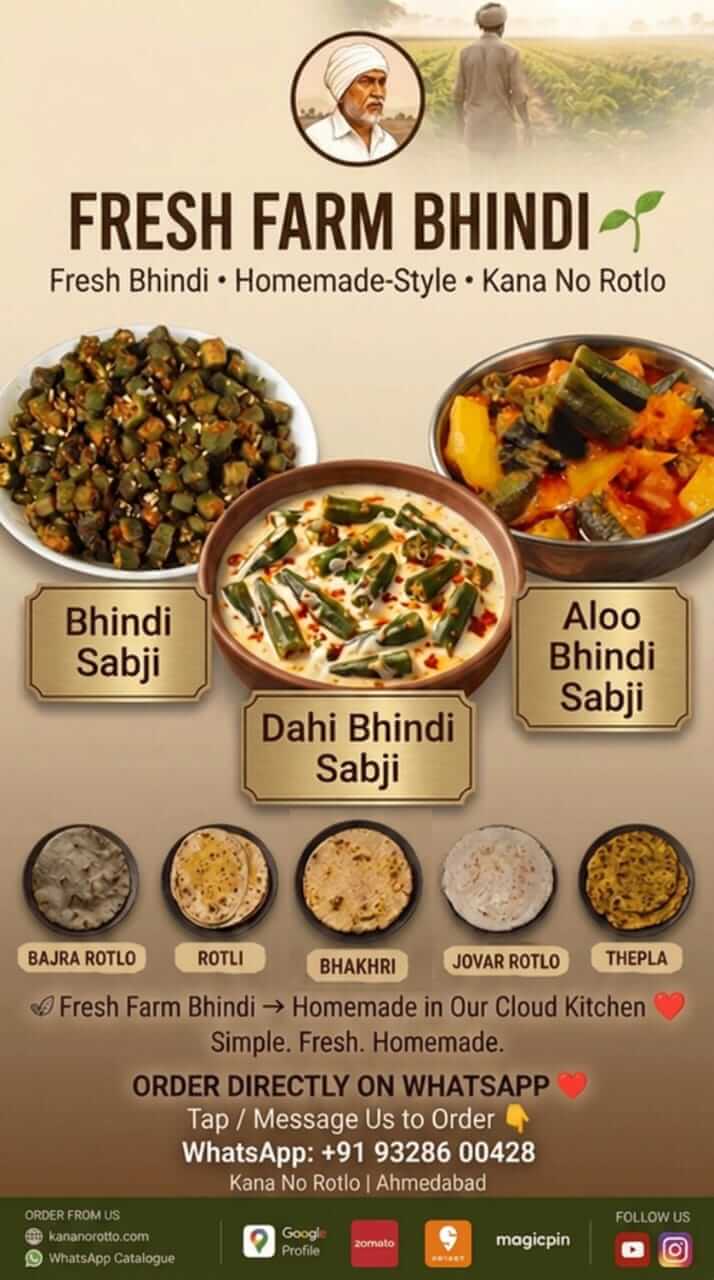
Our Bhindi can be enjoyed as a simple Homemade Bhindi Sabji, or as other popular combinations such as Dahi Bhindi Sabji and Aloo Bhindi Sabji.
This is part of our simple approach to fresh Gujarati and Kathiyawadi-style food in Ahmedabad.
🌱 From Our Farm to Our Kitchen
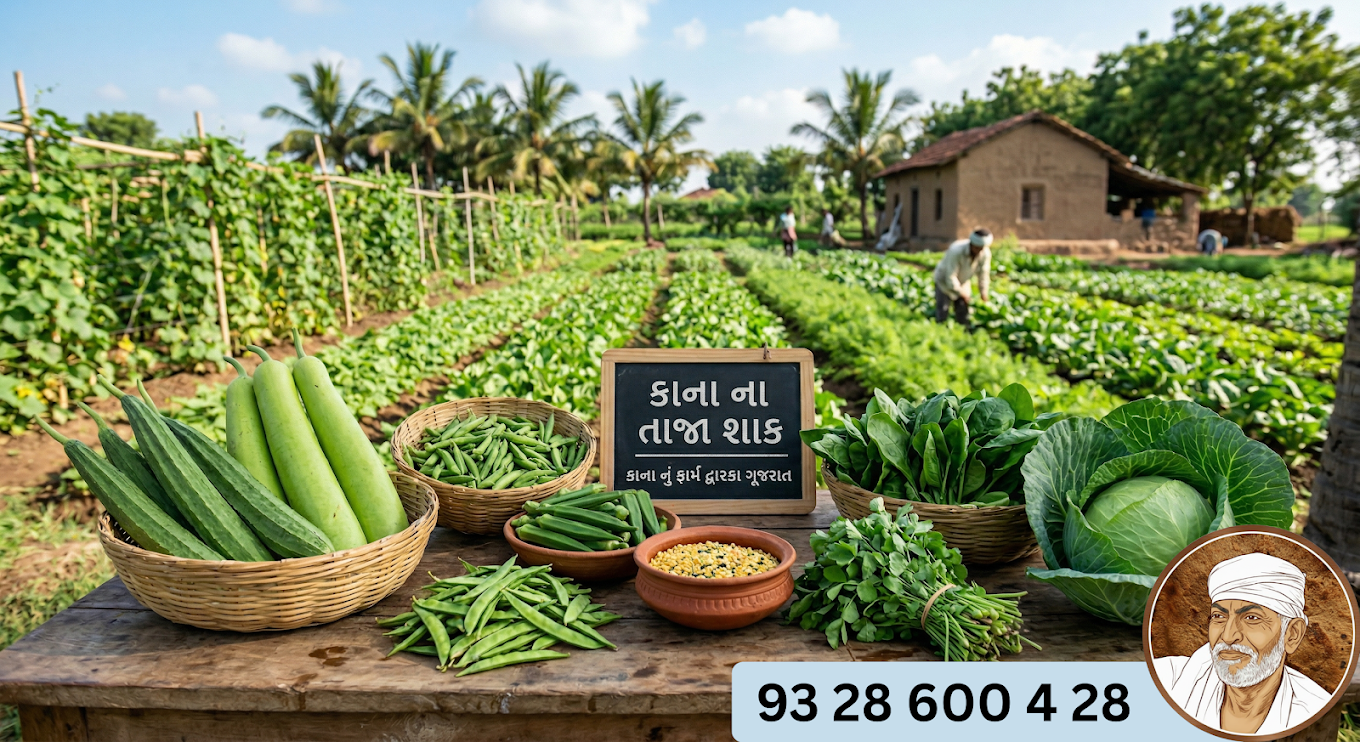
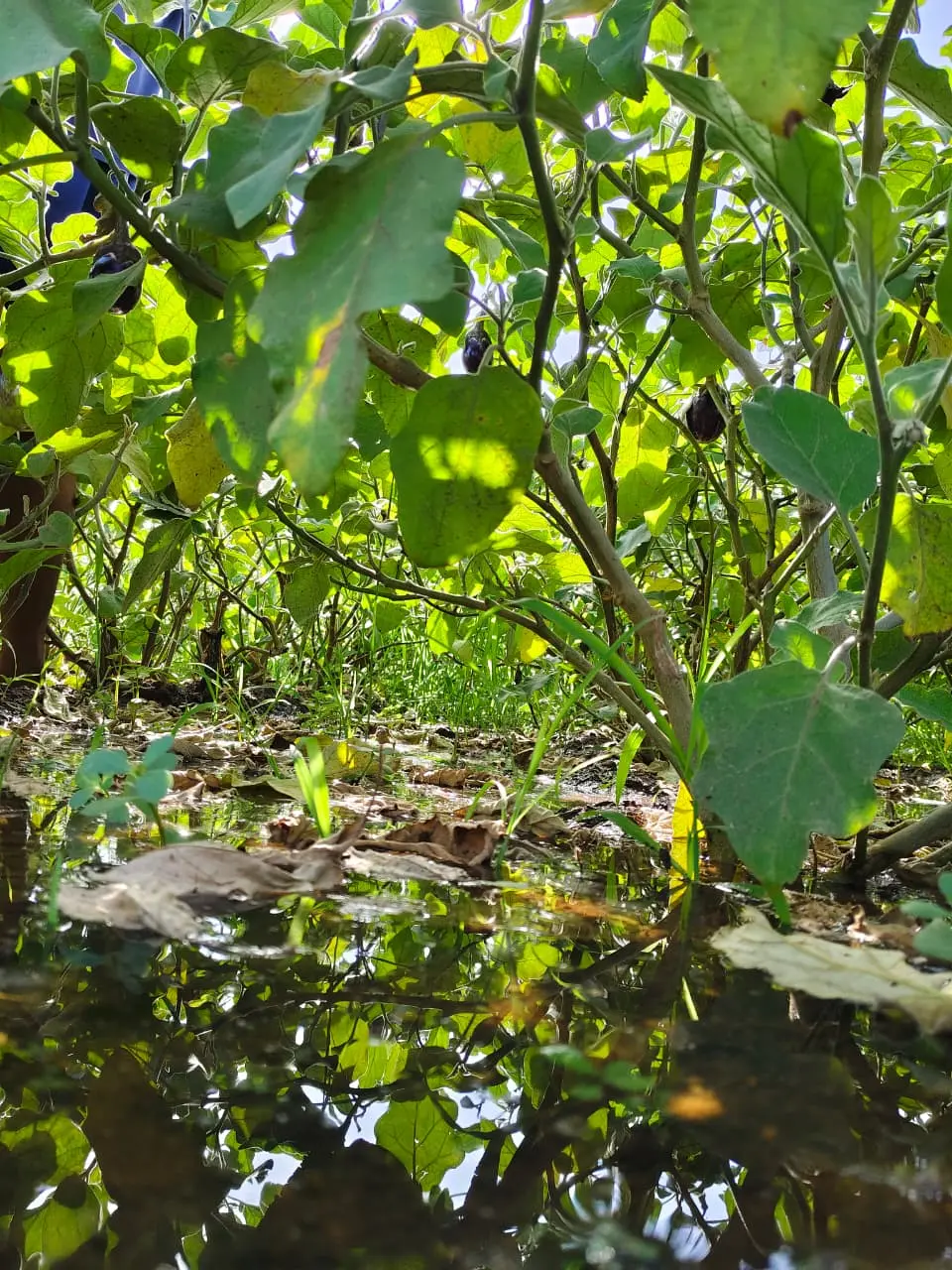
The journey of our Bhindi starts at our farm.
We bring fresh Bhindi from our farm to our cloud kitchen and prepare it fresh. We believe vegetables taste best when handled with care and cooked fresh.
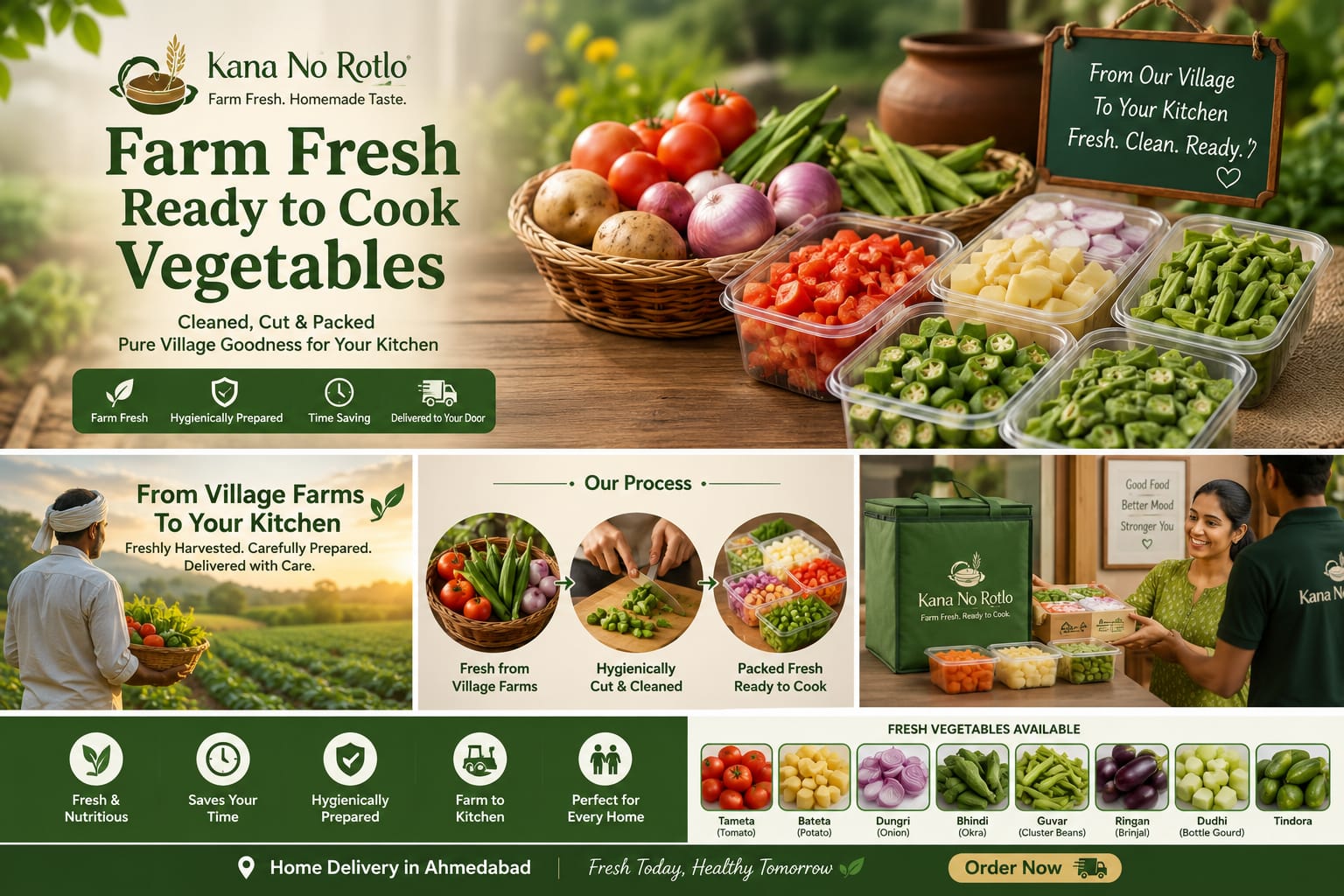
Our simple process is:
Fresh Bhindi from Our Farm → Our Cloud Kitchen → Fresh Preparation → Homemade-Style Cooking → Your Home ❤️
At Kana No Rotlo, the focus is on fresh ingredients and simple, comforting food.
🥗 Homemade Bhindi Sabji
Our Homemade Bhindi Sabji is prepared using fresh Bhindi brought from our farm.
It is a simple vegetable dish that can be enjoyed as part of a traditional Gujarati or Kathiyawadi-style meal.
👉 View / Order Homemade Bhindi Sabji: – https://kananorotlo.com/weekly-special-gujarati-menu/
🥣 Dahi Bhindi Sabji
For those who enjoy a different flavour, Dahi Bhindi Sabji combines fresh Bhindi with a comforting dahi-based preparation.
It is another way to enjoy Bhindi as part of a simple homemade-style meal.
👉 View / Order Dahi Bhindi Sabji:https://kananorotlo.com/weekly-special-gujarati-menu/
🥔 Aloo Bhindi Sabji
Aloo Bhindi Sabji combines fresh Bhindi with Bateta (potato) to create a familiar and satisfying vegetable dish.
It is a great option for a traditional meal with Rotlo, Bhakhri, Roti or Thepla.
👉 View / Order Aloo Bhindi Sabji:https://kananorotlo.com/weekly-special-gujarati-menu/
🍽️ What Can You Eat with Bhindi Sabji?
Bhindi Sabji can be paired with several traditional Gujarati and Kathiyawadi staples from the Kana No Rotlo menu.
🌾 Traditional Bajra Rotlo
Enjoy Bhindi Sabji with Traditional Bajra Rotlo for a traditional and hearty combination.
👉 https://kananorotlo.com/menu/traditional-bajra-rotlo/
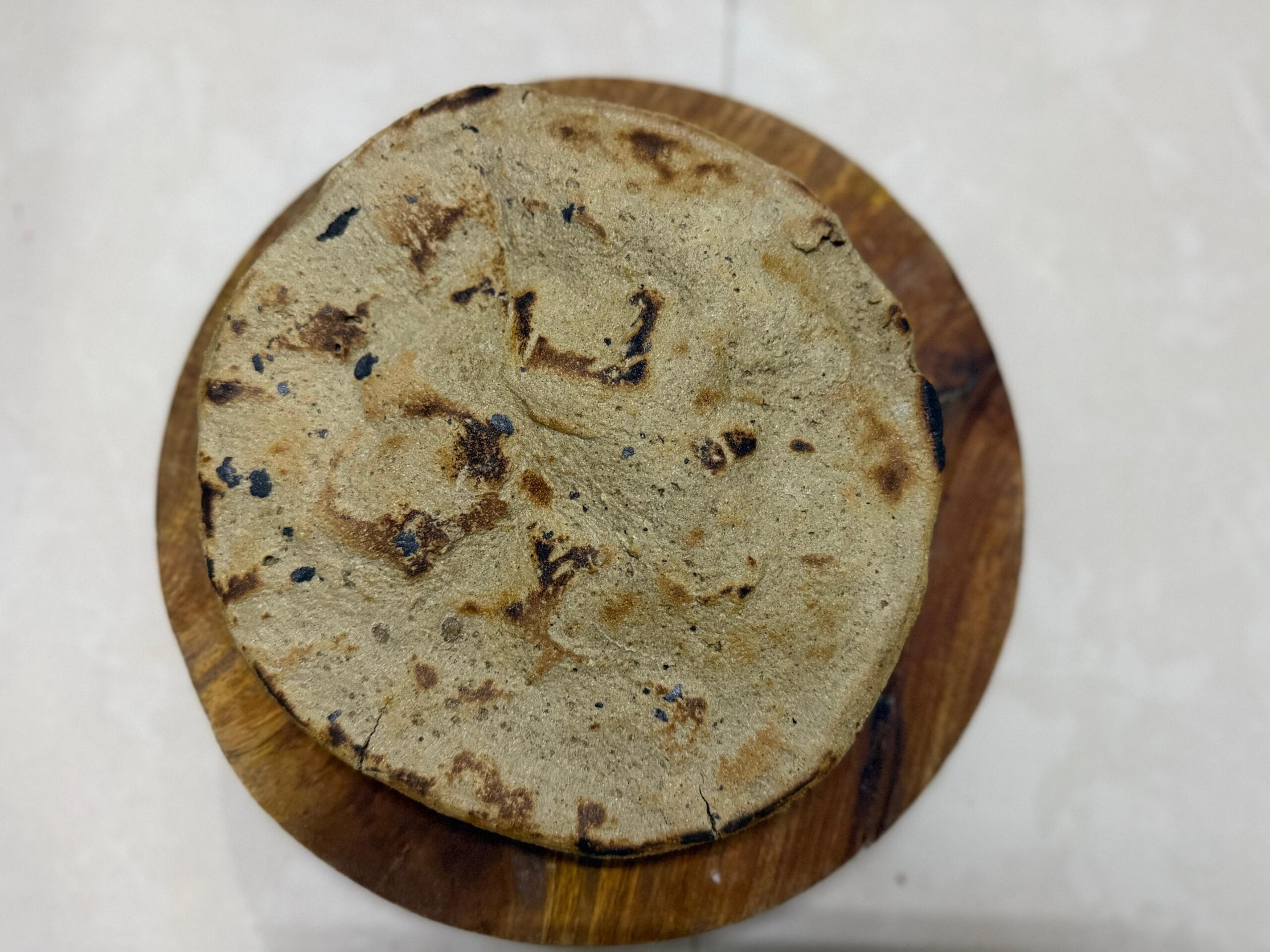
🫓 Traditional Gujarati Bhakhri
Bhindi Sabji and Traditional Gujarati Bhakhri make a simple and comforting Gujarati meal.
👉 https://kananorotlo.com/menu/traditional-gujarati-bhakhri/
🌾 Jovar Rotlo
Pair fresh Bhindi Sabji with Jovar Rotlo for another traditional combination.
👉 https://kananorotlo.com/menu/jovar-rotlo/
🫓 Homemade Chapati
For a simple everyday meal, enjoy Bhindi Sabji with Homemade Chapati.
👉 https://kananorotlo.com/menu/homemade-chapati/
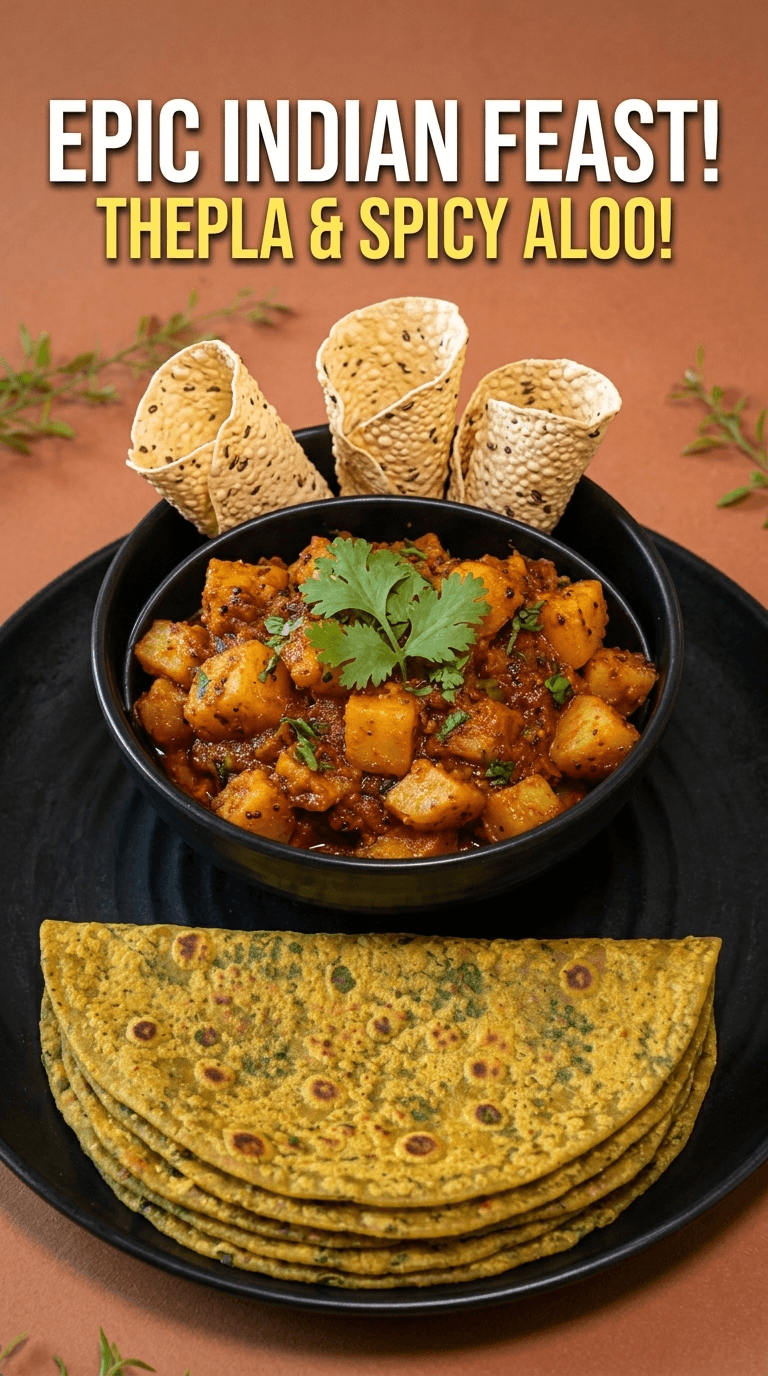
🫓 Homemade Gujarati Thepla
Bhindi Sabji can also be enjoyed with Homemade Gujarati Thepla.
👉 https://kananorotlo.com/menu/homemade-gujarati-thepla/
🥨 Roasted Papad
Add Roasted Papad on the side for a crunchy accompaniment.
👉 https://kananorotlo.com/menu/roasted-papad/
🍲 Desi Ghee Khichdi Combo
For a comforting meal, you can also enjoy our Desi Ghee Khichdi Combo.
👉 https://kananorotlo.com/menu/desi-ghee-khichdi-combo/
❤️ Why Choose Fresh Bhindi from Kana No Rotlo?
At Kana No Rotlo, freshness is an important part of our food preparation.
Our Bhindi:
🌱 Comes fresh from our farm
🏠 Comes to our cloud kitchen
🔪 Is freshly prepared
👨🍳 Is cooked in a homemade style
❤️ Is made for a simple and comforting meal
We keep the process simple so that you can enjoy fresh vegetable food at home.
🌾 Farm Fresh Vegetables at Kana No Rotlo
We believe fresh vegetables make a difference.
Our Bhindi is brought from our farm to our cloud kitchen, where we prepare it fresh. This farm-to-kitchen approach is part of what makes our food special.
Rather than making complicated food, we focus on familiar dishes prepared with care.
Fresh Farm → Cloud Kitchen → Homemade-Style Food → Your Home ❤️
📍 Gujarati & Kathiyawadi Food in Ahmedabad
Kana No Rotlo is a cloud kitchen serving homemade-style Gujarati and Kathiyawadi food in Ahmedabad.
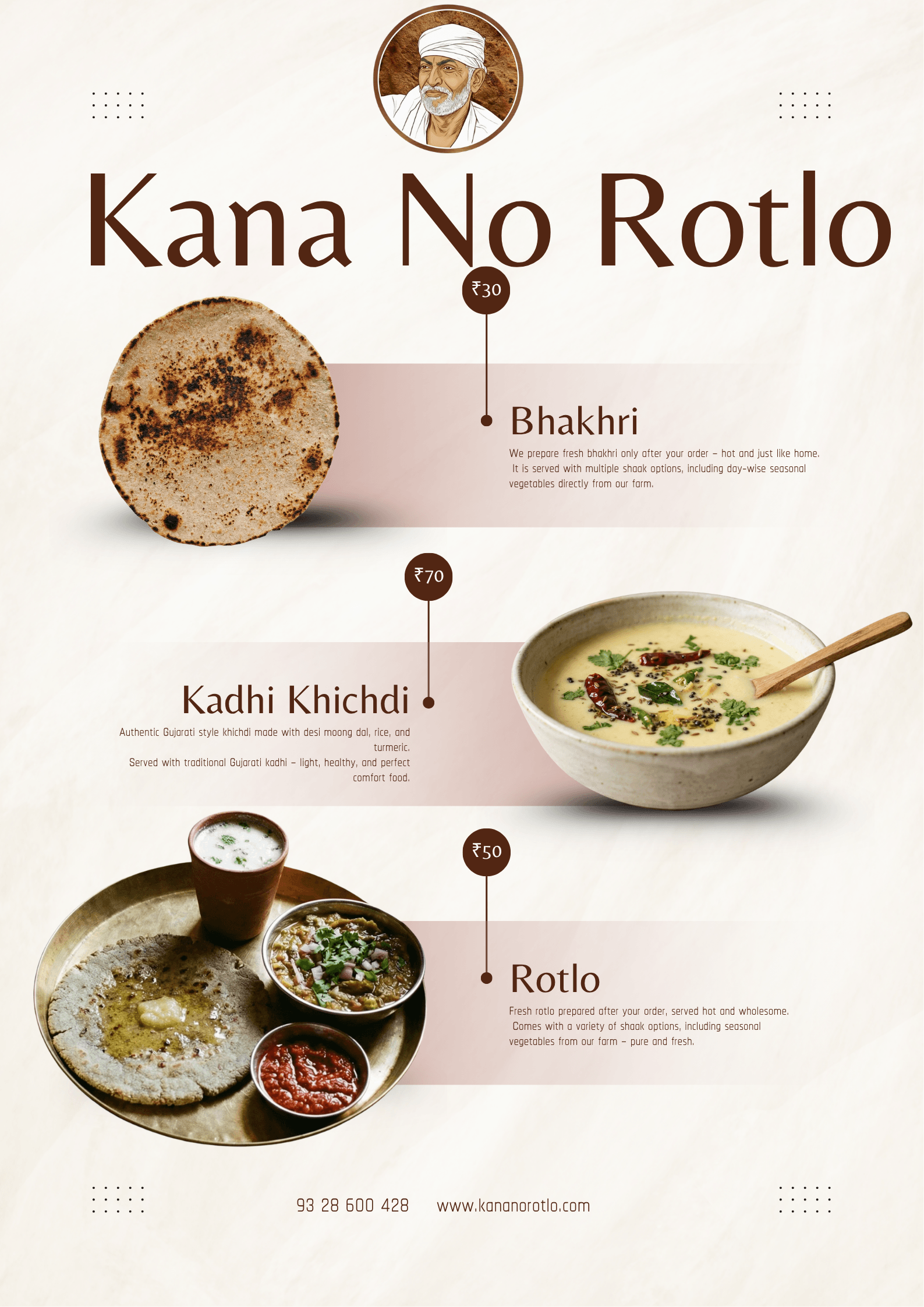
Our menu includes traditional Rotlo, Bhakhri, Roti, Thepla, fresh vegetable Sabji and other comforting Gujarati food.
If you are looking for fresh Bhindi Sabji in Ahmedabad, homemade Gujarati food, or Kathiyawadi-style food near Prahlad Nagar and Satellite, explore our menu and order from Kana No Rotlo.
🛒 Order from Kana No Rotlo
🌐 Full Menu:
https://kananorotlo.com/menu-page/
📱 WhatsApp Catalogue:
https://wa.me/c/919328600428
📍 Google Business Profile:
https://share.google/TvKL2iDkwS4VjvopN
🍴 Zomato:
https://www.zomato.com/ahmedabad/kana-no-rotlo-prahlad-nagar
🛵 Swiggy:
https://www.swiggy.com/city/ahmedabad/kana-no-rotlo-satellite-prahlad-nagar-rest1275462
🛵 Magicpin:
https://magicpin.in/Ahmedabad/Prahlad-Nagar/Restaurant/Kana-No-Rotlo/store/179638b/delivery
📱 WhatsApp Catalogue:
https://wa.me/c/919328600428
▶️ YouTube Shorts:
https://www.youtube.com/@KANANOROTLO/shorts
📸 Instagram:
https://www.instagram.com/kana_no_rotlo__ahemdabad/
Fresh Bhindi, Freshly Prepared
Our simple promise is:
Fresh Bhindi from Our Farm → Fresh Preparation in Our Cloud Kitchen → Homemade-Style Gujarati Food ❤️
If you enjoy fresh vegetables and simple traditional food, try Bhindi Sabji from Kana No Rotlo, Ahmedabad.
🌱 Fresh from Our Farm
❤️ Prepared with Care
🏠 Homemade-Style Food
Kana No Rotlo – Homemade-Style Gujarati & Kathiyawadi Food in Ahmedabad.
Where does Kana No Rotlo get its Bhindi?
Our Bhindi is brought fresh from our farm to our cloud kitchen.
Is the Bhindi prepared fresh?
Yes. We bring fresh Bhindi to our cloud kitchen and prepare it fresh in our homemade style.
What Bhindi Sabji options are available?
Depending on the menu, you can enjoy Homemade Bhindi Sabji, Dahi Bhindi Sabji and Aloo Bhindi Sabji.
What can I eat with Bhindi Sabji?
Bhindi Sabji can be enjoyed with Bajra Rotlo, Gujarati Bhakhri, Jovar Rotlo, Homemade Chapati, Homemade Gujarati Thepla and other items from our menu.
Where can I order Bhindi Sabji in Ahmedabad?
You can explore Kana No Rotlo’s menu and order through our website and available delivery platforms.